

Authorized AMSOIL Dealer
Joseph Feghali
Miami, FL

1981 Dodge Diplomat 5.2L Oil Type and Capacity

Free Vehicle Maintenance App

For cars, trucks, ATVs & more

Track oil changes, save service records, and get maintenance reminders.

Keep your maintenance history handy for your next service.

Your Vehicle's Information

Year:

1981

Make:

Dodge

Model:

DIPLOMAT

Engine Size:

5.2L

Engine #:

[N]

Recommended oil filters for my 1981 Diplomat

Product Name Product Description Product
AMSOIL Ea Oil Filters This filter is for your 1981 Dodge Diplomat and is designed to last up to 25k (normal conditions) or 15k miles (severe conditions) or 1 year, whichever comes first. EAO42-EA
AMSOIL Ea Oil Filters EAO42-EA
Add To Cart
Add To Cart
WIX Oil Filter WIX oil filter change intervals for your 1981 Dodge Diplomat are extended OEM recommendations to match the drain intervals of AMSOIL XL Motor oil. (12,000 miles or 1 year, whichever comes first). 51068-EA
WIX Oil Filter 51068-EA
Add To Cart
Add To Cart

Transmission filters

Product Name Product Description Product
WIX Transmission Filter Use this WIX Transmission Filter since it will protect your 1981 Dodge Diplomat's transmission from harmful debris and the awesome filtration will reduce wear in your Diplomat. 58707-EA
WIX Transmission Filter 58707-EA
Add To Cart
Add To Cart

Recommended coolants for my Dodge Diplomat

Product Name Product Description Capacities Product
Passenger Car & Light Truck Antifreeze & Coolant maximum protection for your 1981 Dodge Diplomat under extreme temperatures and operating conditions! Lasts up to 150,000 miles or five years! (whichever comes first) ANTPC1G-EA
Passenger Car & Light Truck Antifreeze & Coolant ANTPC1G-EA
Add To Cart
Add To Cart
Low Toxicity Antifreeze and Engine Coolant Lasts in your 1981 Dodge Diplomat for up to 150,000 miles or five years! (whichever comes first). Biodegradable! ANT1G-EA
Low Toxicity Antifreeze and Engine Coolant ANT1G-EA
Add To Cart
Add To Cart

Maintaining Lubrication Standards for the 1981 Dodge DIPLOMAT 5.2L

Proper engine maintenance is a cornerstone of long-term vehicle health, particularly for an engine like the 5.2L found in the 1981 Dodge Diplomat. While modern vehicles often rely on automated monitoring systems, older engines require more proactive attention from the owner to ensure that all moving parts remain adequately protected against friction and heat.

Monitoring Fluid Integrity and Condition

One of the most effective ways to monitor the health of a vehicle is through regular observation of its fluids. For the 1981 Dodge Diplomat, this involves more than just checking levels; it requires an assessment of the fluid's physical condition. When performing routine checks, look for changes in the color or consistency of the engine oil. If the lubricant appears excessively dark or contains visible particulates, it may indicate that the oil is reaching the end of its effective service life or that contaminants are present. Furthermore, any unusual odors emanating from the engine area during operation should be investigated. While a variety of factors can cause unexpected scents, changes in how the engine smells can sometimes be associated with the thermal breakdown of lubricants or contact with other hot components. It is also useful to inspect the area surrounding the engine for signs of seepage. Over time, gaskets and seals may experience changes in their ability to maintain a tight barrier. Observing the engine block and surrounding components for any evidence of fluid weeping can help identify potential issues before they escalate into more significant leaks.

Proactive Inspection of Engine Components

Maintaining an older vehicle requires a shift from reactive repairs to proactive inspections. Rather than waiting for a component to fail, owners can benefit from periodic visual assessments of the engine compartment. If equipped, inspect all accessible drive belts for signs of wear such as cracking, glazing, or fraying. Similarly, if the vehicle is equipped with various rubber hoses, check them for excessive softness, hardening, or visible bulging. These components are subject to constant thermal cycling, which can eventually compromise their structural integrity. Electrical connections and wiring harnesses should also be monitored. Ensuring that connectors are secure and free from corrosion helps maintain stable operation of engine-related electrical systems. Additionally, checking the condition of the air filtration system is a vital part of routine service; a clean air intake ensures that the engine is not ingesting unnecessary debris, which can impact overall efficiency and cleanliness within the combustion environment.

Managing Long-Term Maintenance Records

For owners of a 1981 Dodge Diplomat, establishing a clear maintenance baseline is highly beneficial. If you have recently acquired the vehicle and do not have access to its previous service history, your first priority should be to document every inspection and fluid change moving forward. A detailed log serves several purposes:
  • It helps identify patterns in lubricant consumption or fluid seepage.
  • It provides a clear timeline for when components like belts or hoses might require replacement based on their observed condition.
  • It assists in distinguishing between routine maintenance needs and unexpected mechanical changes.
By keeping consistent records of what was serviced, which products were used, and any observations made during inspections, you create a roadmap for the vehicle's continued operation. This organized approach allows you to prioritize tasks based on actual condition rather than making assumptions about the vehicle's history or age.

Prioritizing Service Based on Observed Condition

As vehicles age, maintenance priorities often shift from strictly following a schedule to responding to the specific needs of the machine. For the 5.2L engine in this Dodge Diplomat, effective ownership involves distinguishing between necessary preventive maintenance and unnecessary parts replacement. If you notice active signs of fluid seepage or if an inspection reveals significant wear on a belt or hose, these should be addressed promptly. However, it is equally important not to replace components that are still in good functional condition simply because they have reached a certain age. Using the current physical state of the engine as your primary guide—rather than just the calendar—is a more efficient way to manage maintenance costs and vehicle uptime. If you encounter any warning indicators or notice changes in how the engine operates, such as unusual noises or changes in performance, these should be investigated immediately. Because many different mechanical issues can present with similar symptoms, professional diagnosis is often necessary to determine the exact cause of a change in behavior.

Understanding Lubricant Functionality

The engine oil serves several vital roles that are essential for the operation of the 5.2L engine. Beyond simply reducing friction between moving parts, the lubricant plays a significant role in managing the heat generated during the combustion process. It also helps to suspend and carry away microscopic contaminants, preventing them from settling and forming deposits within the engine. Maintaining the correct quality of oil is essential for ensuring these functions are performed effectively. Modern oil formulations offer various levels of protection, including different additive packages designed to manage oxidation and deposit formation. Some high-mileage oil formulations contain additives intended for use in aging engines, and some high-mileage formulations include seal-conditioning additives. While these can be useful tools for owners of older vehicles, the choice should always be guided by the specific application requirements of the engine.

Practical Advice for Buying Engine Oil for your 1981 Dodge DIPLOMAT 5.2L

When it is time to replenish or change the lubricant in your vehicle, accuracy in selection is paramount. To ensure the engine receives the correct protection, you must match the engine oil to the application-specific viscosity information shown on this page. Do not rely on general automotive knowledge or assumptions based on the engine's displacement to select a grade. Instead, always refer back to the specific technical data provided in the application information for your exact year and model. When purchasing, check the product labels carefully to ensure the oil meets the appropriate API certification standards. Whether you choose a conventional, synthetic blend, or full synthetic formulation, the most critical factor is that the lubricant aligns with the viscosity and specifications listed in your vehicle's documentation.
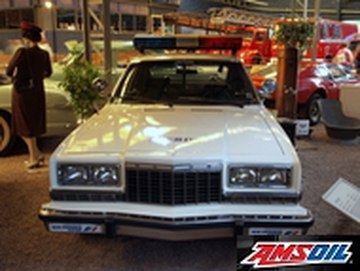
Catalog vehicle photograph for 1981 Dodge DIPLOMAT
Vehicle photograph from our catalog. Appearance may differ by model or trim.
Visit us on social media
